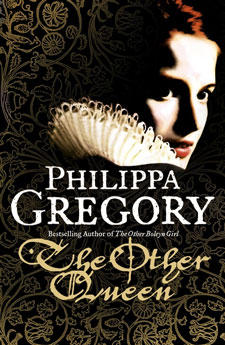
Philippa Gregory’s newest historical novel The Other Queen, set during the first three years of Mary Queen of Scots’ house arrest, paints a dreary picture of Elizabeth’s England.
The story is narrated from three points of view: from Mary herself, from Mary’s reluctant hostess, Bess, and from Bess’ husband, the Earl of Shrewsbury " who predictably becomes entwined in a romantic and improper relationship with the imprisoned queen.
 Their life and relationships are set against the back drop of conflict between the two rivalling queens and their supporters " Elizabeth the representative of the Protestant faith, versus Mary, the figurehead of those who want the country to return to Catholicism.
To the characters in this book, the choice between the two faiths is entirely based on political and personal convenience. The true God is the one who serves their selfish ambitions.
Mary believes that as God’s anointed monarch she has a right to use whatever means available to her to get back to her throne, however dishonourable and deceitful they may be.
The "¨Protestant countess, Bess, justifies her ambition to amass money and property by claiming that these are God’s rewards to good Protestants. One would think, from her repetitive monologues, that the only thing that kept the English people committed to Protestantism was the fear of their fortunes being lost if lands and properties were to be reverted back to Papal ownership.
Religion is portrayed merely as a tool to further political agendas and manipulate the masses. The book makes no mention of the men and women who contended for Christ out of their true faith based on the word of God.
If there is one thing this novel is good at, it is its description of the total depravity of human nature. None of the main characters endear themselves to the reader. Mary is vain, manipulative and one-dimensional. Bess is greedy and grudging. Shrewsbury is naïve and annoyingly injudicious. If the motivations of everyone in Elizabeth’s England were as those portrayed by Gregory, the Protestant faith would have been doomed to destruction.
However, as this is a fictional interpretation of the period with minimal claim to historicity, the above could be excused if the book was of good entertainment value. Unfortunately, the novel also disappoints in this regard. The different points of view make the narrative repetitive. The writing is stilted and the pace is slow. It picks up somewhat in the last third of the novel but ends all too abruptly.
Overall, The Other Queen dismisses the motivation of people contending for their true faith as mere self-interest. With unattractive characters and an uninspiring plot, it is not high on my recommendation list.