Disability affects one in six Australians (about 18 per cent of the population). This is a significant number of people, and there are a greater number of parents, carers and siblings who are impacted in some way.
Some people are born with disability, or they can acquire disability as early as the birthing process or later in life. A disability can be sudden or gradual, and can be short-term, long-term or permanent. The disability community is one of the few communities that anyone could join at any time.
There are people with disability who live in your community and desire genuine friendship and a place to belong. For many, the only people that spend time with them are family and paid workers.
The Disability Royal Commission revealed that people with disability are twice as likely to be abused, no matter what their age or stage, and can experience significant discrimination and bullying on a day-to-day basis.
There are those who advocate for abortions if scans show signs of disability in utero. There are people who assault or exploit those with disability, in person and online. These actions devalue someone, and their life. The message is that they do not matter, and the world is a better place without them.
The church can be the voice of difference! We can continue to share the message of our hope in Jesus and God’s story of salvation, and how all people are invited to God’s kingdom. There is a great opportunity to be intentional – not just with physical barriers but with attitudinal barriers to enable greater accessibility for people with disability and their families.
How can we show love to people with disability who come to church?
Say hello! People delight in being welcomed and seen, whether by a designated welcoming team or another church member.
Sit next to them There’s no pressure to make conversation happen, especially during a church service. It can simply make someone feel welcomed and included.
Delight in their presence Let the person know it was good to see them and that you’re glad they came. They could be nervous that they were some kind of burden, so getting assurance from someone will help them feel settled.
Be comfortable with being uncomfortable We might not know exactly what to do or what to say – and that’s okay! Getting to know someone will take time, we just need to put aside our fears and be a curious person.
Be prayerful Pray for people and families with disabilities, that they would know the hope that is offered through Jesus. Pray, too, that our church will be known as a place welcoming to all.
Small ways parishes can make a big difference
Lower Mountains – Su Low
We created an Accessibility and Belonging Team three years ago, made up of 10 people who have a lived experience with a disability (either themselves or with someone in their family), people who have worked professionally in the area of disability, and those with a special interest.
We ask questions, listen, problem-solve and make recommendations to our ministry team so as to equip the whole church. Everyone – including those living with a disability, neurodiversity, or chronic health conditions – is made in God’s image. Our vision is for each person in our community to be introduced to Jesus, connect with his people, grow in faith and serve him.
Last month we hosted our first “Christmas in July” lunch for carers and their families and as part of this we surveyed carers about their needs and how, as a church, we can best offer support. The carers were so thankful to be seen and have provided us with several recommendations to consider.
Mittagong – Rochelle Fussell
Earlier this year we asked Bec Baines to come and run a workshop for anyone in our church who was working with kids and youth. We all come across neurodivergent kids and youth in our Scripture classes, or throughout our congregation.
We have now instigated a few changes at our programs, including having a “fidget” toy box, to help our kids and youth cope with their environment better.
Panania – Stephanie Adams
For many years, we have been aiming to include our diverse church family in quite spontaneous and unorganised ways. Our church members’ love for each other shines through, but we haven’t ever really articulated what we’re trying to achieve by including those with disability or had a clear strategy for how to do so in the best and most loving way.
At our AGM this year, we launched a survey to gather opinions and perspectives from congregation members about how we’re going at being accessible. Some immediate updates have come from this, such as signage at our front entrance. We also formed a dedicated inclusivity team to help our parish council look at longer-term strategies.
Later this year, staff have planned a short mini-series that focuses on diversity and inclusion, with our main Bible talk based on Psalm 139. We hope these things will help our whole church do better at sharing Jesus’ love with all kinds of people.
Kogarah - Jenny Yung
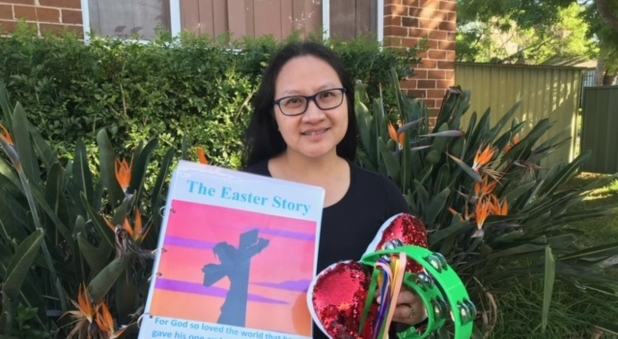
In 2019, our church was approached by Youthworks to take on the opportunity of teaching Scripture at St George School, a special school in the parish of Kogarah. Although we had some experiences in teaching Special Religious Education in mainstream schools, teaching SRE in a special school was entirely new territory for us.
A trainer for special SRE at that time said to me, “You won’t see these children at shopping centres or the local parks, let alone coming to church, due to their restricted mobilities, but resources are provided for them to attend school. SRE at their school might be the only place they can [learn about] God’s love for them”.
I remember feeling both excited and nervous going into the school for the first time. It was a daunting task to learn to engage students through interactive activities, utilising sensory props, body movements and music. We may not expect students to verbally answer, but through a smile, eye gaze, a nod or a hand gesture, you know that they are getting it, and they know God loves them.
I am very grateful for God’s grace and kindness in enabling us to build strong relationships with students and staff over the years. The school has been very supportive of SRE. Teachers mention that SRE is the highlight of the week for the students. I am thankful to God for his blessing and giving us this wonderful opportunity to love and serve these members of the community.
The Rev Bec Baines is Youthworks Diocesan Accessibility Ministry Advisor