A new podcast from the Freedom for Faith group aims to keep believers informed of looming threats to religious freedom in Australia.
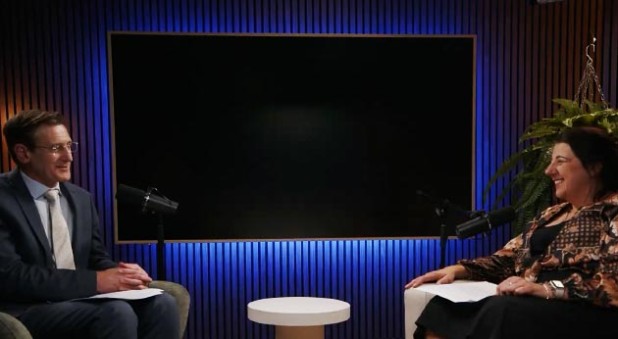
Freedom Matters features Bishop Michael Stead, the chairman of Freedom for Faith and diocesan spokesman on religious freedom, in conversation with Monica Doumit, the director of public affairs and engagement for the Catholic Archdiocese of Sydney and a fellow board member of Freedom for Faith.
The first edition of the periodic podcast outlines three main religious freedom issues: the Conversion Practices laws, the review of Voluntary Assisted Dying and a Greens NSW Bill on human rights.
The podcast, available in video on the Freedom for Faith website, points out the concerning response from Anti-Discrimination NSW (ADNSW) and the Attorney General conflicting with the Premier’s election pledge to religious groups.
“Prior to the last election, the now-Premier made the promise, and I'll quote him exactly, that ‘an individual of their own consent seeking guidance through prayer would not be banned’,” Bishop Stead says.
He adds that this conflicts with confusing advice from Government departments. “In effect they are saying something is only not banned if it's not a conversion practice, which is kind of self-evident. If it's not a conversion practice, then it wouldn't have been banned in the first place.”
Ms Doumit points out that the legislation is not limited to homosexuality.
“Like telling young adults to save sexual activity until marriage, which has been Christian teaching for millennia. Again, conversion practice,” she says. “I know it sounds like we're taking it to the absurd, but the legislation is the absurd thing. It's a logical extension of how ADNSW is interpreting that specific example. Maybe the first conversion therapy case will be against an Anglican, maybe it'll be against a Catholic. Maybe it'll be against somebody else. But I think us all standing together is really important.”
The danger zone for VAD changes
The podcast also flags the mandated one-year review of the assisted suicide legislation.
Bishop Stead points out that the review is happening in December-January, a time when faith communities are engaged with other things. “We need to be really vigilant because the pattern elsewhere has been that these legislative reviews, there's no kind of pushback against VAD. It's all the stories about how and why it was so good, or it's stories about why the existing provisions – which were called safeguards – have been problematic and so we need to dial back the safeguards.”
There is also no way of knowing whether people chose VAD because of the pressure of family concerns, or a lack of palliative care options.
“Two thirds of the [VAD] deaths in NSW are in the regions,” Ms Doumit says. “Do you think that's because people in the regions are more focused on VAD or do you think maybe the health care in the regions is problematic and they need some help? But we're told not to ask questions on this.”
She says people of faith need to push the review for more safeguards and more information on the existing system.
Lopsided human rights
The Greens Human Rights Bill 2025 has been tabled in State Parliament and, if implemented, would be binding on schools, hospitals and aged-care centres run by religious institutions.
“What's happened is there's a complete rebalancing of rights and so the freedom of religion right has been downgraded and the right to non-discrimination has been accentuated,” Bishop Stead says in sounding a warning on the proposed Bill. “The rights of parents have been downgraded and the rights of ‘mature minors’, children, to make their self-determination has been dialed up.”
The podcast runs for half an hour and is accompanied by a detailed information sheet with further information on the major religious freedom issues.
The episode ends with a plea from Bishop Stead: “Please be informed. Please act, the briefing document has links to various things you can do to address these issues.”